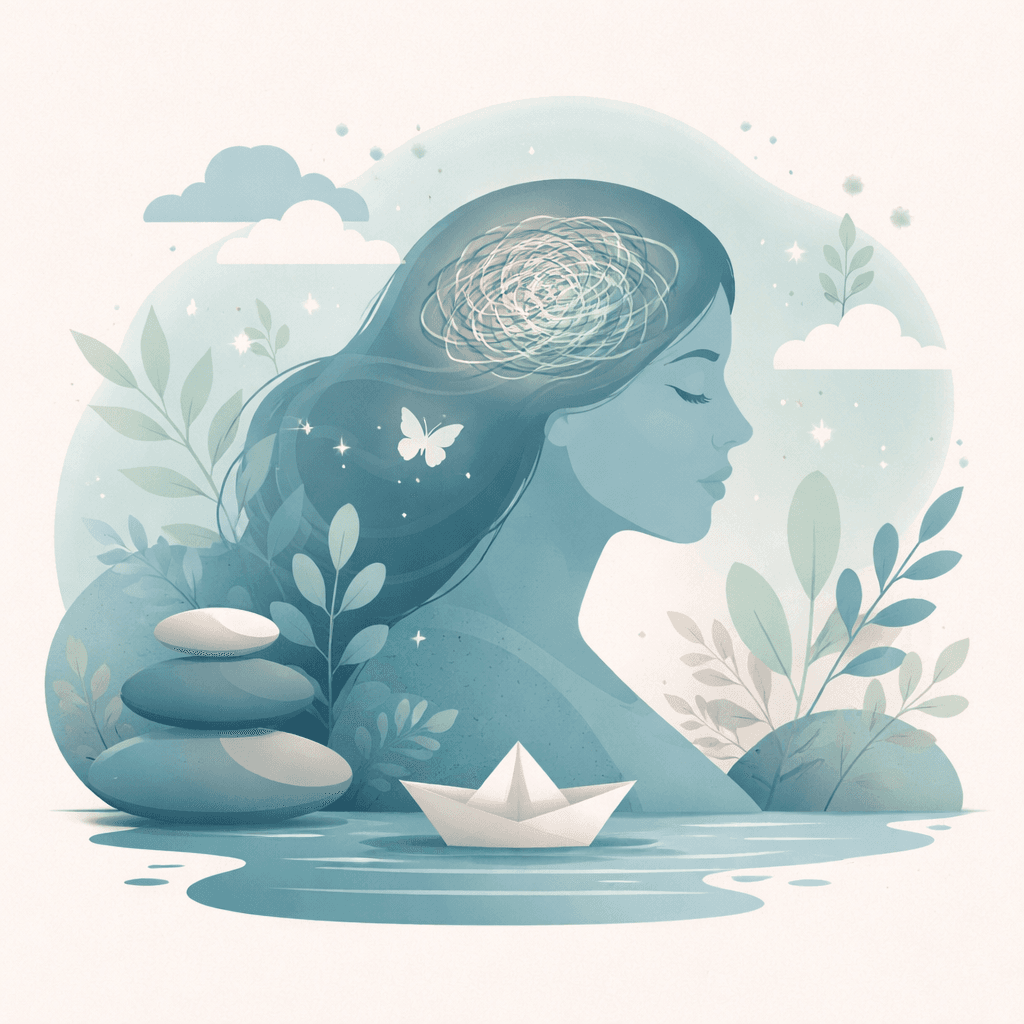
What Is Anxiety?
Anxiety is a normal human emotion characterized by feelings of tension, worried thoughts, and physical changes such as increased blood pressure.
Feeling anxious occasionally is a normal part of life. However, people with anxiety disorders often have intense, excessive, and persistent worries and fears about everyday situations.
Anxiety as a Survival Mechanism
Anxiety, in its most basic form, is an alert system that has helped us survive as a species. When our ancestors faced predators, anxiety provided them with:
- Extra energy to flee or fight
- Heightened attention to detect threats
- Quick response in the face of danger
The problem arises when this system activates in response to threats that aren’t real or when the response is disproportionate to the situation.
Common Symptoms of Anxiety
🧠 Mental and Emotional Symptoms
- Feeling nervous, restless, or tense
- Having a sense of impending danger, panic, or doom
- Difficulty concentrating
- Racing thoughts or a blank mind
- Irritability or mood swings
- Feeling a loss of control
🫁 Physical Symptoms
-
Cardiovascular:
- Increased heart rate
- Palpitations or chest pain
-
Respiratory:
- Rapid breathing (hyperventilation)
- Feeling short of breath
-
Muscular:
- Trembling or muscle tension
- Head or neck pain
-
Other symptoms:
- Excessive sweating
- Digestive problems
- Dizziness or nausea
- Fatigue or exhaustion
🛌 Behavioral Symptoms
- Avoidance: Avoiding situations that cause anxiety
- Restlessness: Constant need to move
- Procrastination: Putting off important tasks
- Reassurance seeking: Frequent need for confirmation from others
Types of Anxiety Disorders
1. Generalized Anxiety Disorder (GAD)
Excessive and persistent worry about various aspects of daily life.
2. Panic Disorder
Recurrent and unexpected panic attacks, with intense fear of them happening again.
3. Specific Phobias
Irrational and intense fear of specific objects or situations (airplanes, heights, animals).
4. Social Anxiety Disorder
Intense fear of social situations where one may be judged.
5. Agoraphobia
Fear of places or situations where escaping might be difficult or embarrassing.
Factors That May Contribute to Anxiety
🧬 Biological Factors
- Genetics: Family history of anxiety
- Neurochemistry: Neurotransmitter imbalances
- Medical conditions: Thyroid issues, heart arrhythmias
🌍 Environmental Factors
- Traumatic stress: Past traumatic experiences
- Chronic stress: Work pressure, financial problems
- Life changes: Moving, loss, major transitions
🧠 Psychological Factors
- Personality: Tendency toward perfectionism or pessimism
- Thinking patterns: Catastrophizing, black-and-white thinking
- Coping strategies: Lack of tools to manage stress
Management and Treatment Strategies
💊 Professional Treatment Options
Psychological Therapy
- Cognitive Behavioral Therapy (CBT): The most effective for anxiety disorders
- Exposure Therapy: Gradual exposure to feared situations
- Acceptance and Commitment Therapy: Focus on values and acceptance
Medical Treatment
- Antidepressants: SSRIs, SNRIs for more severe cases
- Anxiolytics: For short-term use during crises
- Beta-blockers: For specific physical symptoms
🛠️ Self-Help Strategies
Breathing Techniques
4-7-8 Breathing:
1. Inhale for 4 seconds
2. Hold for 7 seconds
3. Exhale for 8 seconds
4. Repeat 4 times
Mindfulness and Meditation
- Daily meditation: 10–15 minutes of regular practice
- Mindfulness: Focusing on the present moment
- Body scan: Conscious exploration of the body
Regular Exercise
- Aerobic activity: 30 minutes, 3–4 times a week
- Yoga: Combines movement, breathing, and mindfulness
- Nature walks: Additional benefits from outdoor air
Healthy Lifestyle Habits
- Regular sleep: 7–9 hours of quality sleep each night
- Balanced diet: Avoid excessive caffeine and sugar
- Alcohol limitation: Can worsen anxiety symptoms
When to Seek Professional Help
It’s important to seek help when anxiety:
🚨 Significantly interferes with your daily life
🚨 Persists for several weeks without improvement
🚨 Prevents you from doing important activities
🚨 Generates thoughts of self-harm
🚨 Causes severe or concerning physical symptoms
Where to Seek Help
- Primary care physician: First line of evaluation
- Clinical psychologist: Specialized therapy
- Psychiatrist: If medication is needed
- Emergency services: In case of crisis or suicidal thoughts
The Role of Psicobot
Psicobot can provide you with:
✅ Initial guidance and symptom assessment
✅ Personalized management techniques
✅ Educational resources about anxiety
✅ Progress tracking
✅ Connection with specialized professionals when needed
Remember: Psicobot is a support tool, not a substitute for professional medical care.
Message of Hope
Anxiety, although it can be overwhelming, is highly treatable. With the right approach and the proper tools, it is possible to:
- Significantly reduce symptoms
- Develop effective management strategies
- Regain control of your life
- Live fully despite anxiety
One Step at a Time
The path to well-being is not always linear, but every small step counts. You are not alone in this process, and seeking help is a sign of strength, not weakness.
If you feel that anxiety is affecting your quality of life, do not hesitate to seek help. Your mental well-being is just as important as your physical health.